
 English
 Español
Contenido
- 1 Single Inlet and Double Inlet Centrifugal Fan Basics
- 2 Performance Differences: What Actually Changes When You Switch
- 3 Size, Space, and Installation Trades
- 4 A Simple Selection Rule for Engineers
- 5 Choosing by Application: Where Each Fan Type Wins
- 6 Frequently Asked Questions
- 6.1 Does a double inlet fan provide twice the airflow of a single inlet fan?
- 6.2 Which type is quieter?
- 6.3 Can I replace a single inlet fan with a double inlet fan in the same cabinet?
- 6.4 Are single inlet fans more energy-efficient?
- 6.5 What fan diameter do I need to match a double inlet airflow with a single inlet fan?
The single most important decision when selecting a centrifugal fan for your equipment is not the brand or the motor type. It is the inlet configuration. Single inlet fans draw air from one side of the impeller, while double inlet fans draw from both sides. This one difference changes airflow, static pressure, noise, footprint, and total cost. If you are building an air handling unit, a duct ventilation system, or a compact air purifier, the right fan choice depends on the space you have and the performance you need. In this article, I will explain the practical differences so you can choose with confidence.
Single Inlet and Double Inlet Centrifugal Fan Basics
A single inlet centrifugal fan has an impeller that is open on one side and closed on the other. Air enters from one side only, passes through the blades, and is discharged through a volute. This design allows a compact, narrow package that fits into tight cabinets and ducts. A double inlet fan, also called a dual inlet or double suction fan, has an impeller with inlets on both sides. The wider impeller draws air from both ends, which increases the effective blade width and the volume of air moved.
| Feature | Single Inlet | Double Inlet |
|---|---|---|
| Air intake | One side | Both sides |
| Impeller width | Narrower | Wider |
| Typical casing | Single volute | Double volute or shared plenum |
| Mounting | Can be right- or left-handed | Centered in the cabinet |
| Typical application | High static pressure, small spaces | Large airflow, AHU and HVAC |
The table above summarizes the structural basics, but the real differences appear when you compare measured performance at the same wheel diameter and speed.
Performance Differences: What Actually Changes When You Switch
When engineers compare fans, they usually start with three numbers: airflow (CFM or m³/h), static pressure (Pa or mmH2O), and sound level (dB). The inlet configuration moves all three.
Static Pressure Capability
A single inlet fan is generally better at building static pressure. Because air enters only from one side, the fan can be matched to a narrower volute, which converts more velocity into pressure. In practice, a single inlet fan of the same wheel diameter as a double inlet fan can produce higher pressure, making it suitable for long duct runs, filters, and high-resistance air paths.
Airflow Capacity
A double inlet fan, with its wider impeller, moves more air at the same diameter and speed. This does not mean it always delivers twice the airflow. Depending on the blade design, the increase can be 40 to 60 percent. The extra airflow comes from the second inlet drawing in a larger volume of air, which means more air passes through the blades each revolution.
Noise Levels
Double inlet fans tend to run quieter at the same duty point. The airflow is split between two inlets, so the velocity at each inlet is lower, which reduces turbulence and aerodynamic noise. Single inlet fans have a higher inlet velocity at one side, which can create more noise, especially at high static pressures.
Energy Efficiency
Efficiency depends on matching the fan to the system resistance. A double inlet fan may show better efficiency at high airflow, while a single inlet fan may show better efficiency at high pressure. However, in a real system with a fixed duct and filter, you should compare fan curves with the system curve. A fan that operates near its peak efficiency point will use less energy for the same output. For a deeper look at motor technology, read our article on AC centrifugal fans .
In the chart above, the blue bars represent airflow and the black bars represent static pressure. The double inlet fan has higher airflow but lower static pressure, while the single inlet fan has lower airflow but higher static pressure. These are typical trends, not exact values.
Size, Space, and Installation Trades
Space and Mounting
A single inlet fan has a narrower body, so it fits into tight plenums and wall-mounted units. It can be oriented with the inlet facing either left or right, which gives flexibility in duct connection. A double inlet fan is wider and typically needs to be centered in the cabinet, with the motor mounted inside the impeller or driven from one side. This requires more space on both sides of the fan for the inlet openings.
Duct and Filter Resistance
If your system has high static resistance, such as HEPA filters, long ducting, or VAV boxes, a single inlet fan is often the safer choice because it can maintain pressure without over-speeding the motor. If you are moving large volumes of air through a low-resistance path, like a return air plenum or a fresh air intake, a double inlet fan will get the job done with less fan diameter.
Cost and Maintenance
Single inlet fans usually have a lower purchase price because they use less material and a smaller housing. Double inlet fans cost more due to the wider impeller and more complex casing. Maintenance is similar, but double inlet fans have bearings on two sides in some designs, which can mean extra service points.
A Simple Selection Rule for Engineers
If your system resistance is high and your cabinet depth is limited, choose a single inlet fan. If you have a wide, low-resistance air path and the priority is moving as much air as possible, choose a double inlet fan. When you are not sure, ask your fan supplier to plot the fan curve for both options against your system curve. The intersection point will show you the operating airflow, static pressure, and motor power. A fan that runs too far to the right of its curve can overload the motor; a fan that runs too far to the left may create turbulence and noise.
Choosing by Application: Where Each Fan Type Wins
Central HVAC and Air Handling Units
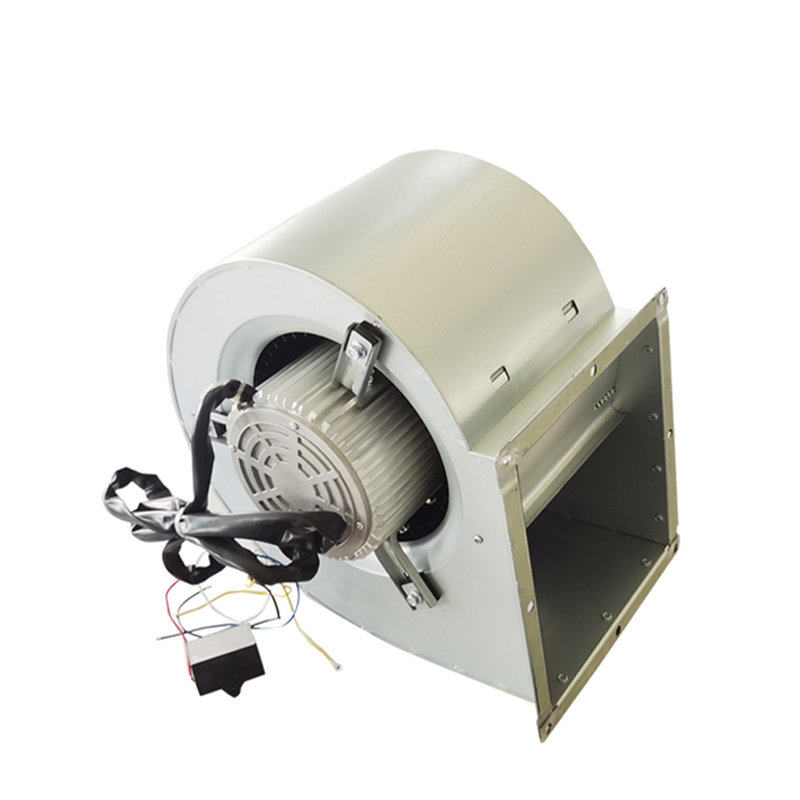
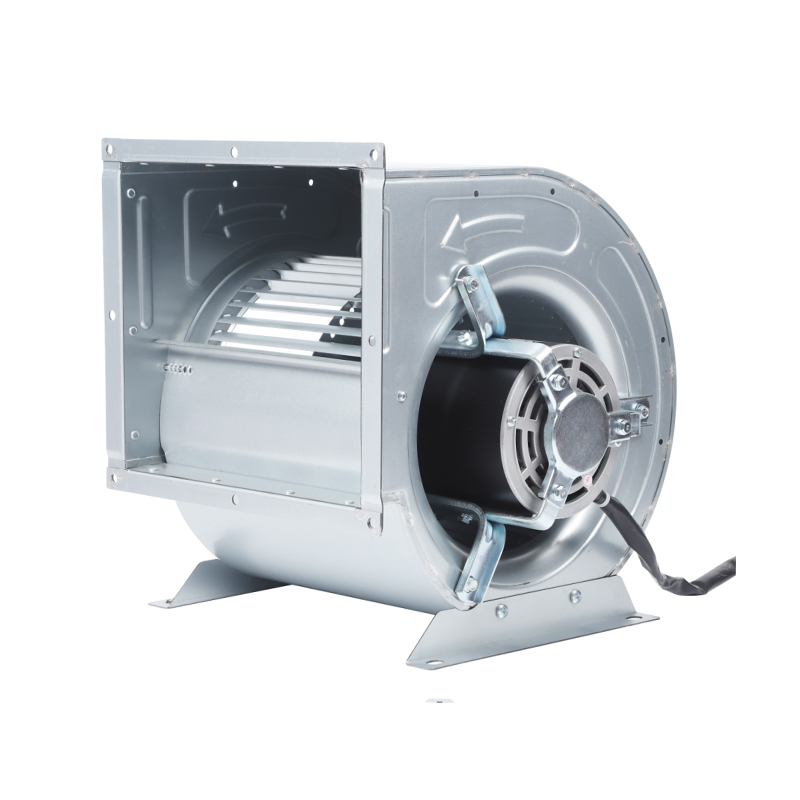
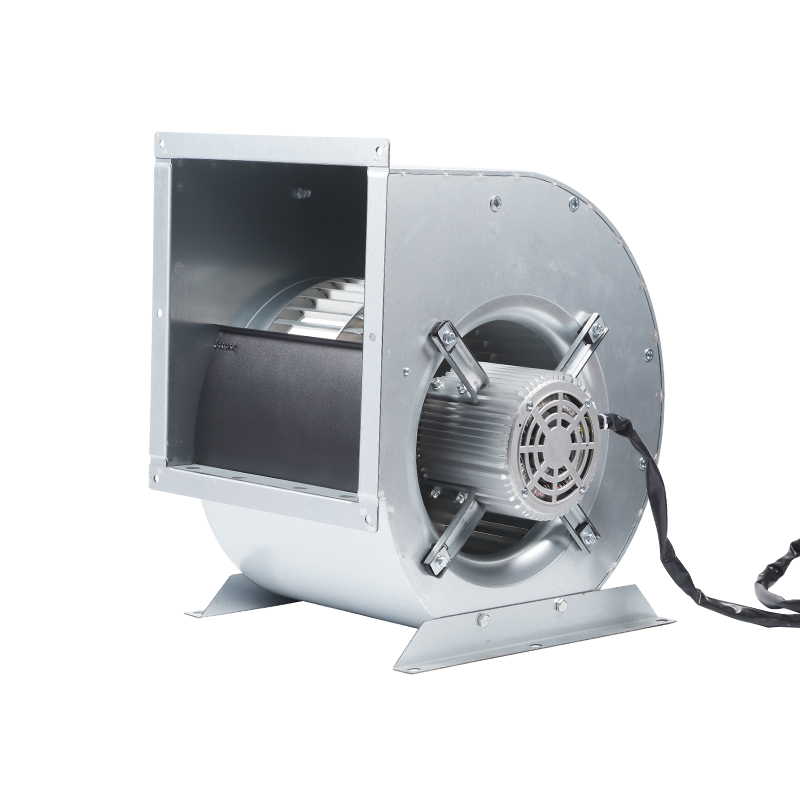
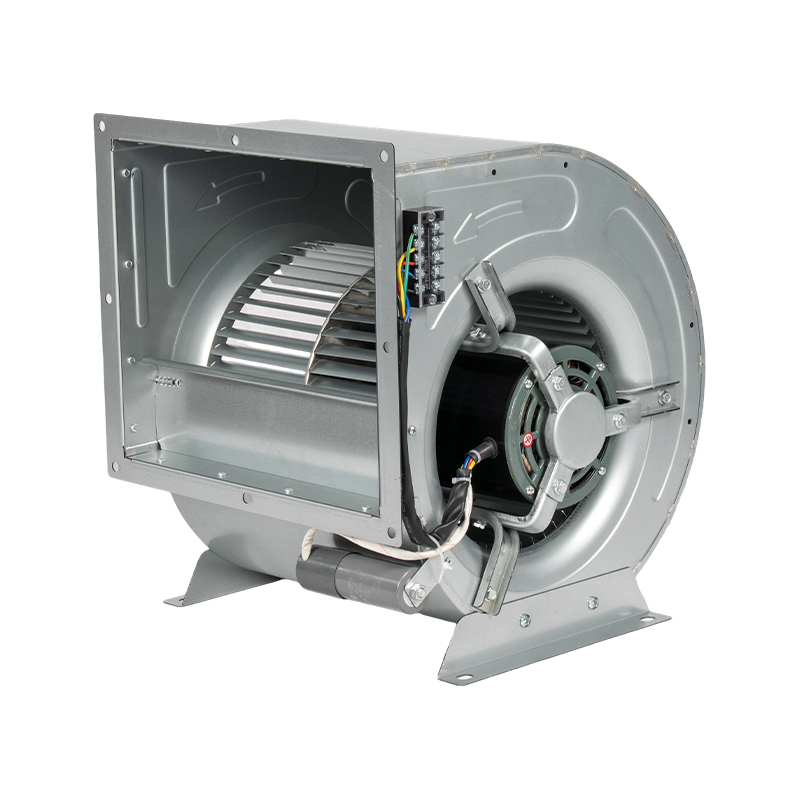
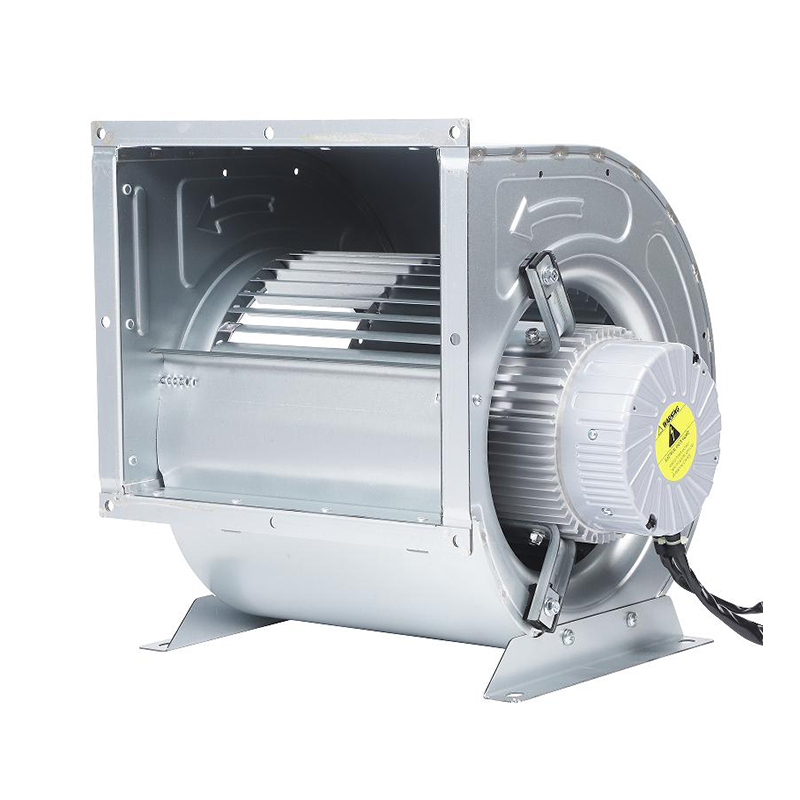
In AHU and rooftop units, the application needs high airflow across cooling coils and filters. A double inlet fan is usually the right choice because it delivers the volume with a smaller cabinet footprint. For example, the DDM-130190 dual inlet AC centrifugal fan is built for direct-drive applications where space is tight but airflow is primary.
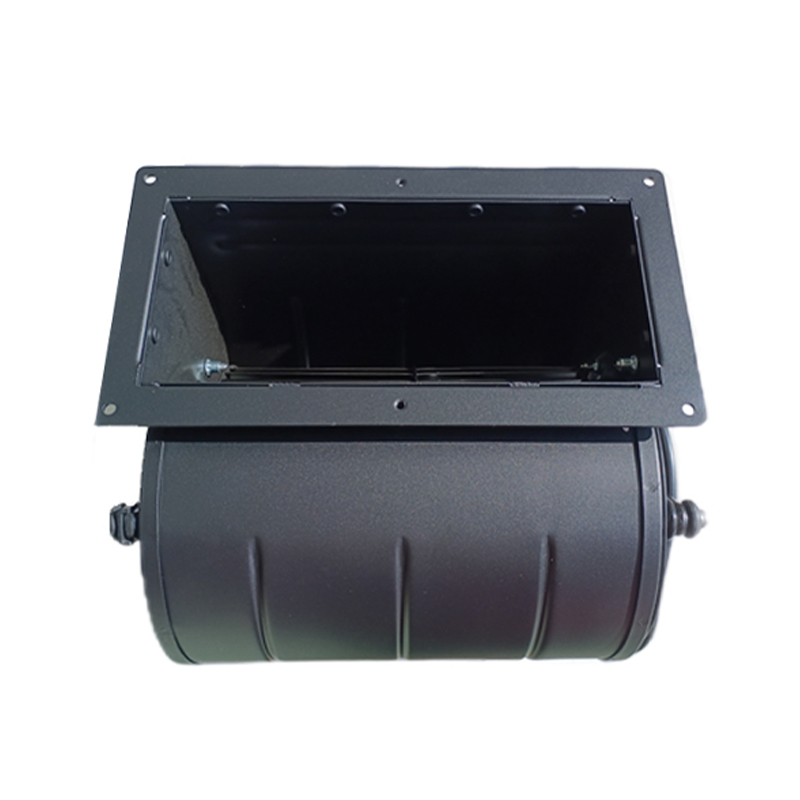 DDM 130-190 dual inlet AC centrifugal fans 1. Driven by an external rotor motor, this unit is specifically designed for industrial ventilation, equipment cooling, and air delivery applications. Its stable airfl... View Product →
 Ducted Ventilation and Industrial Systems
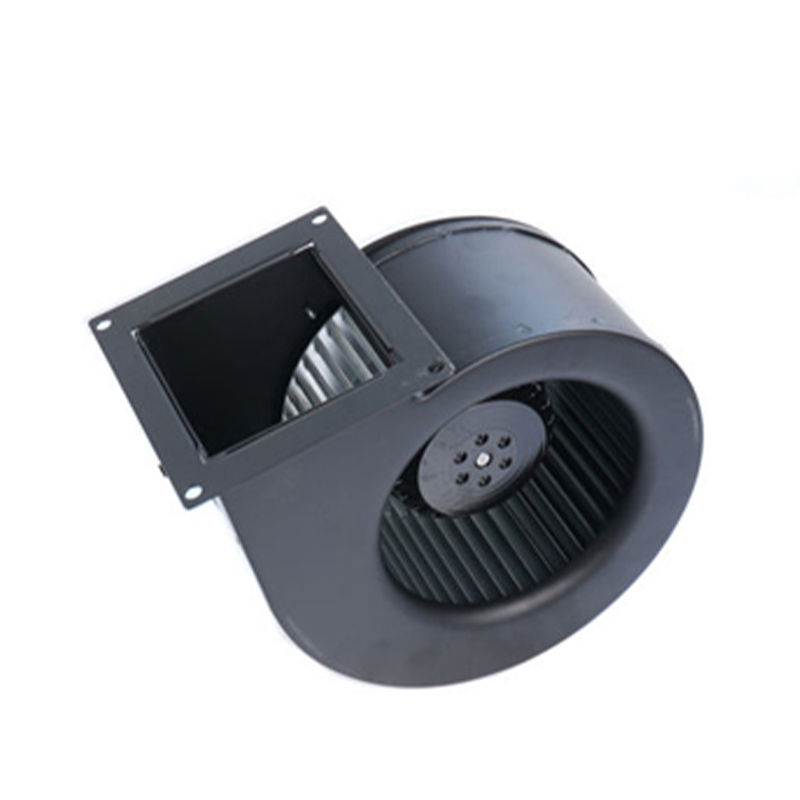
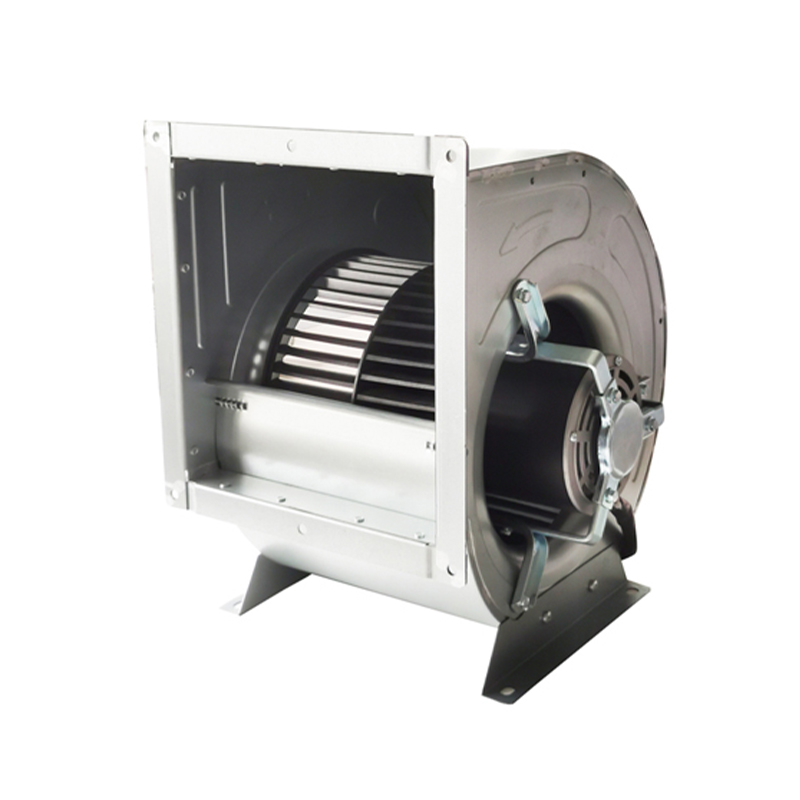
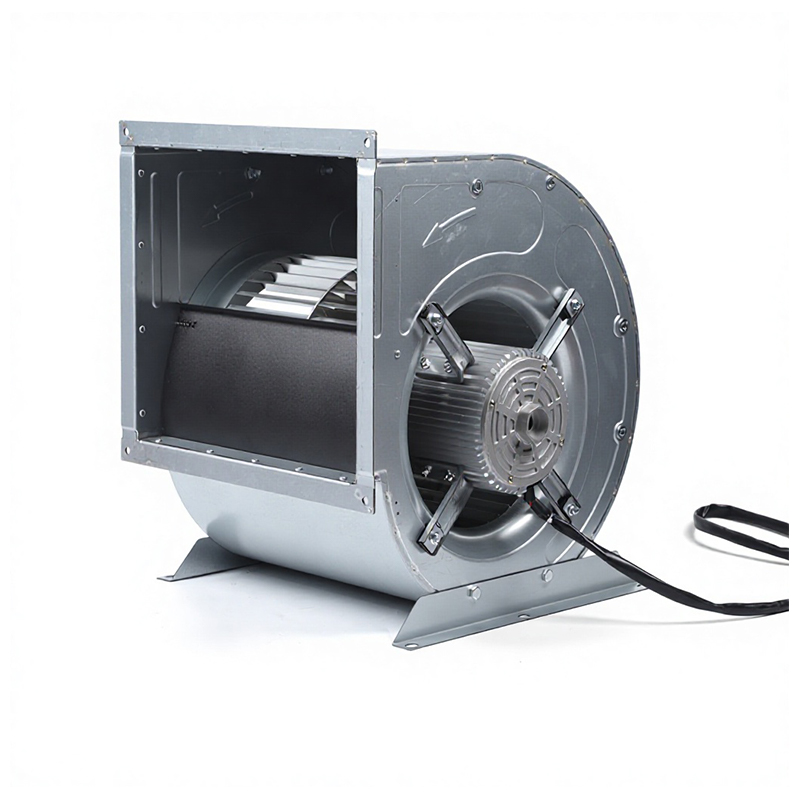
When you need to push air through long duct runs, minimize noise, or handle high static pressure, a single inlet fan gives you a performance edge. The 160mm AC motor direct drive single inlet centrifugal fan is a common choice for exhaust ventilation in small ducts and high-resistance paths.
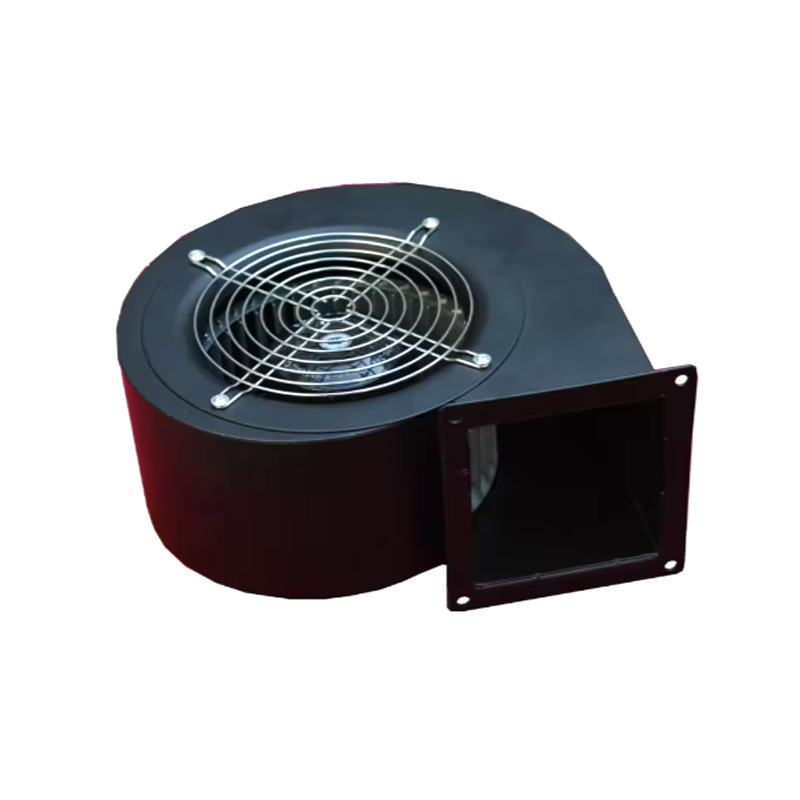 160mm ac motor direct drive single inlet centrifugal fans 1. It adopts a classic centrifugal structural design, resulting in a compact and rational overall design. Its square air outlet allows for easy connection to ducts, sa... View Product →
 Compact Air Purifiers and Residential Units
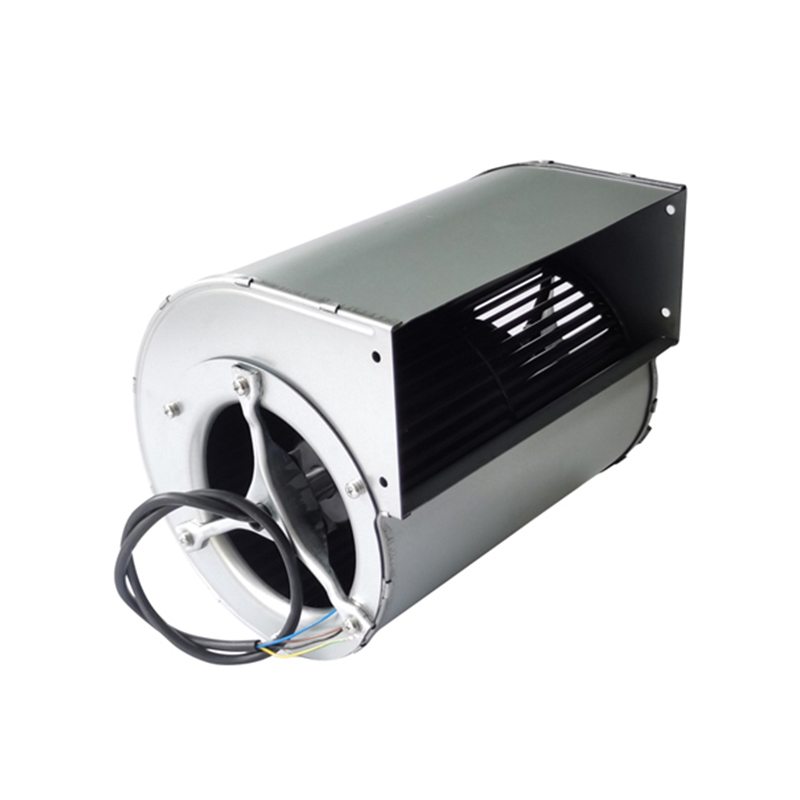
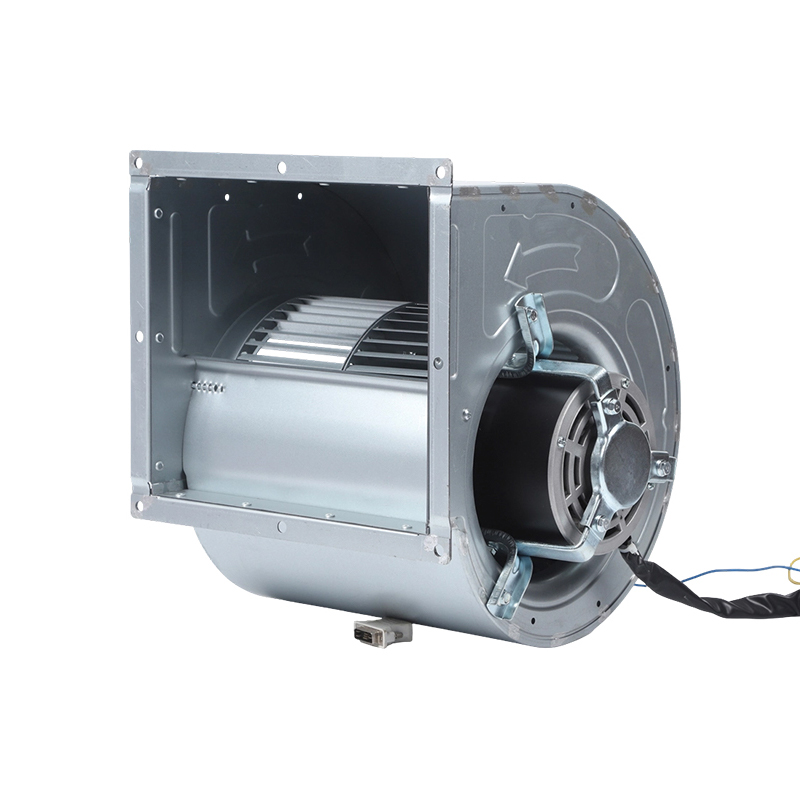
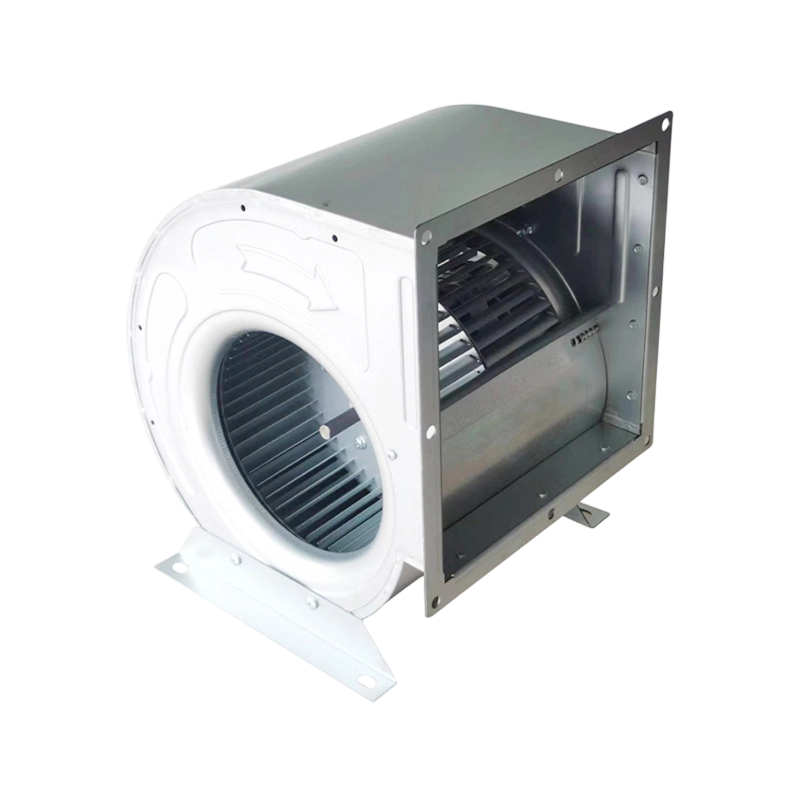
For small air purifiers, range hoods, or supply ventilation cabinets, the width saving of a mini-size double inlet fan matters. A 133mm double inlet Mini size centrifugal fan fits inside a compact shell while still moving enough air for filter loading.
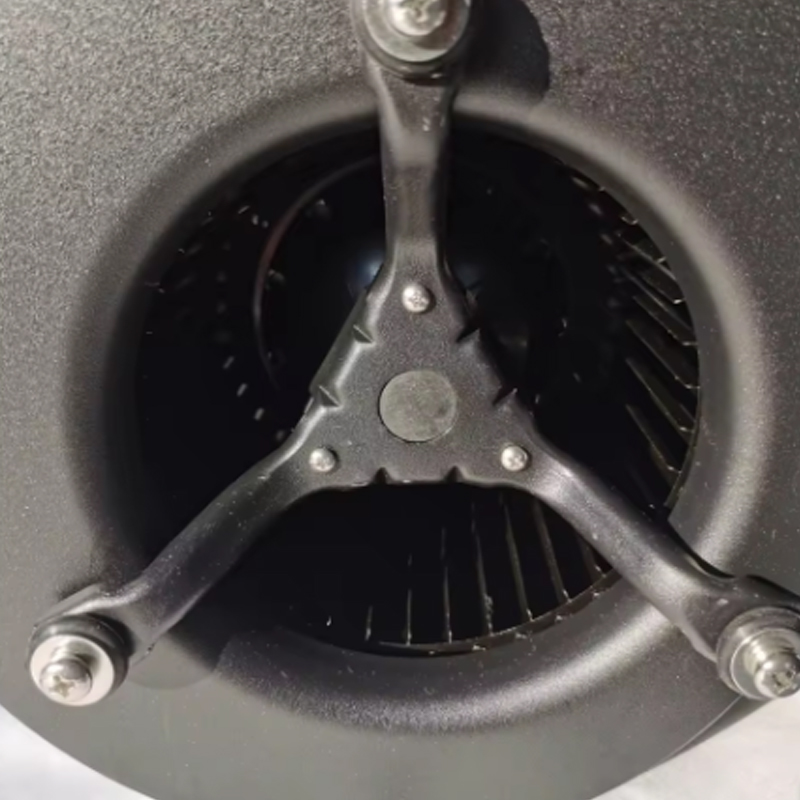 133mm diameter double inlet mini size centrifugal fans 1. This forward-curved centrifugal fan features a dual-inlet design, which effectively improves air intake efficiency and ensures smoother ventilation. 2. Available in... View Product →
 Frequently Asked Questions
Does a double inlet fan provide twice the airflow of a single inlet fan?
No. While the second inlet increases airflow, the gain is usually 40 to 60 percent, not 100 percent. The actual increase depends on the blade angle, motor speed, and static pressure.
Which type is quieter?
At the same airflow and pressure duty point, a double inlet fan is often quieter because inlet air velocity at each side is lower. However, a well-designed single inlet fan with a backward-curved impeller can also be very quiet when matched to the system curve.
Can I replace a single inlet fan with a double inlet fan in the same cabinet?
Only if you have enough width for the wider impeller and the cabinet allows air to enter both sides. In many compact units, the housing does not provide the needed clearance, so the replacement is not practical.
Are single inlet fans more energy-efficient?
No hard rule. Both types can achieve high efficiency when operated near their best efficiency point. The system resistance determines which type will be more efficient in your specific application.
What fan diameter do I need to match a double inlet airflow with a single inlet fan?
To match the airflow of a double inlet fan, a single inlet fan typically needs a larger wheel diameter and higher motor power. This increases size and cost, so double inlet fans are often more compact for high airflow applications.
If you are still unsure which inlet configuration fits your equipment, send us your airflow and static pressure targets. Our engineers can recommend a fan that matches your system curve. Contact us for a free fan selection discussion.
 es
es
